:: Currency ::
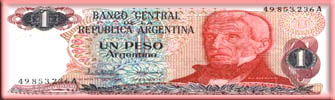
The Argentine peso , divided into one hundred centavos, was exactly equal to one US dollar at the time of writing. Recent political upheaval, however, has led to a major devaluation of the peso and rapidly fluctuating exchange rates. Please keep this in mind when referring to any mention of costs throughout this guide. In Argentina, and throughout this guide, the peso is represented by the "dollar sign" ($). There has been off-and-on talk of dolarización (adoption of the US dollar as the official currency and legal tender), but political and popular resistance has so far stood in its way. Notes come in 2, 5, 10, 20, 50 and 100 peso denominations while 1 peso and 1 (rare), 5, 10, 25 and 50 centavo coins are in circulation. Sometimes people are loath to give change, as coins are in short supply, so it's a good idea to have plenty of loose change on your person; otherwise insist that they find change, if they want to do business. Ask for small denominations at banks if possible, break bigger ones up at places where they obviously have plenty of change (busy shops, supermarkets or post offices), and withdraw odd amounts from ATMs ($90, $190, etc) to avoid getting your cash dispensed in $100 bills only. In theory you can use US banknotes (in pristine condition only, and watch for fakes), but not coins or travellers' cheques, though some places take only Argentine money. ATMs often give you a choice of pesos or dollars and it might be a good idea to keep a stock of both, remembering that Argentine money is difficult to change outside the country, except in Uruguay, or border areas of Bolivia, Brazil and Paraguay, where it may be used as legal tender.
 Back to Costs, Money And Banks in Argentina Back to Costs, Money And Banks in Argentina
|
|
|